
PythonWorkflow scripting and robotics support tooling
The thesis focused on translating robotics logic into industrial machine-operation workflows. It connected planning, execution, and deployment constraints rather than stopping at simulation-only results.
Core robotics software, controller-side tooling, and communication stack used in the industrial thesis workflow.





This page now reads as a case study: first the problem and objective, then the technical scope, then the tooling contribution, and finally the industrial value of the work.
The core problem was to build a robot workflow that could be useful in a real industrial setting, where sequence reliability, motion feasibility, gripping logic, cell geometry, and deployment constraints all matter at the same time.
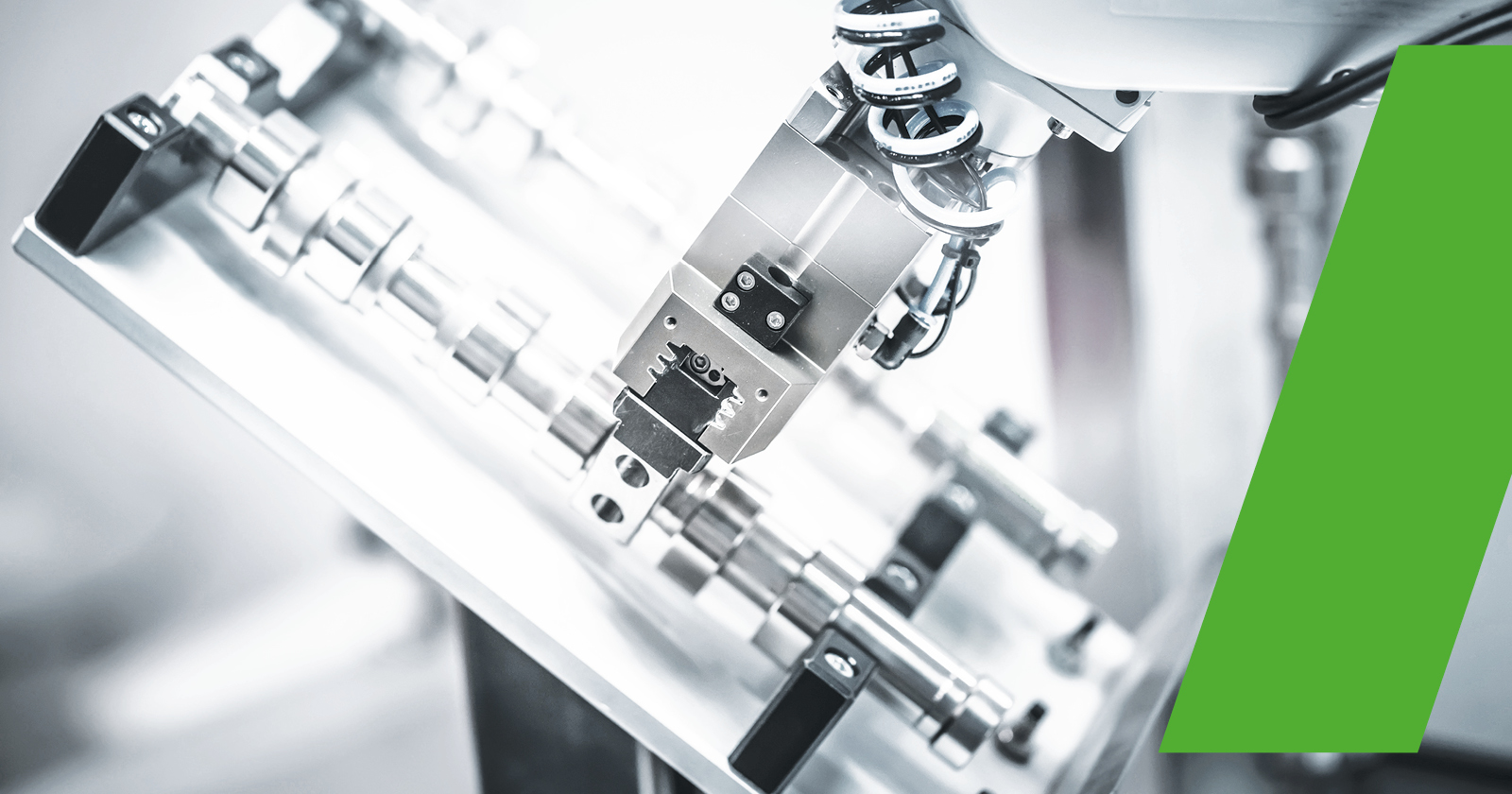
The thesis focused on a 6-axis autonomous robot workflow for machine operation. The goal was not only to demonstrate movement, but to make the complete operation flow practical enough for industrial execution logic.
The strongest signal here is not only robotics implementation, but the ability to connect planning, gripping, machine interaction, and deployment limits inside one industrial workflow.
To streamline testing when validating robot programs in drag&bot simulations, I designed and developed a lightweight web-based joint path planner focused on practical workflow support rather than only algorithmic experimentation.
Part of the work included presenting progress and discussing robotics-related implementation decisions with international team members inside KEBA Group Stuttgart, strengthening technical communication and project explanation skills.
This work strengthened my understanding of how robotics decisions change when safety, geometry, sequence reliability, and deployment readiness are part of the requirement. It built stronger judgment around industrial robotics tradeoffs and execution planning, including how small internal tools can accelerate testing and validation.
This thesis is one of the strongest pieces of evidence in the portfolio because it connects robotics software reasoning directly to industrial implementation reality. It is the clearest example of planning-to-deployment engineering work, and it also shows initiative in building tooling to support simulation-based workflow validation.
Use the links below to contact me, review where I fit best, explore my work, or request my CV through the website form.